
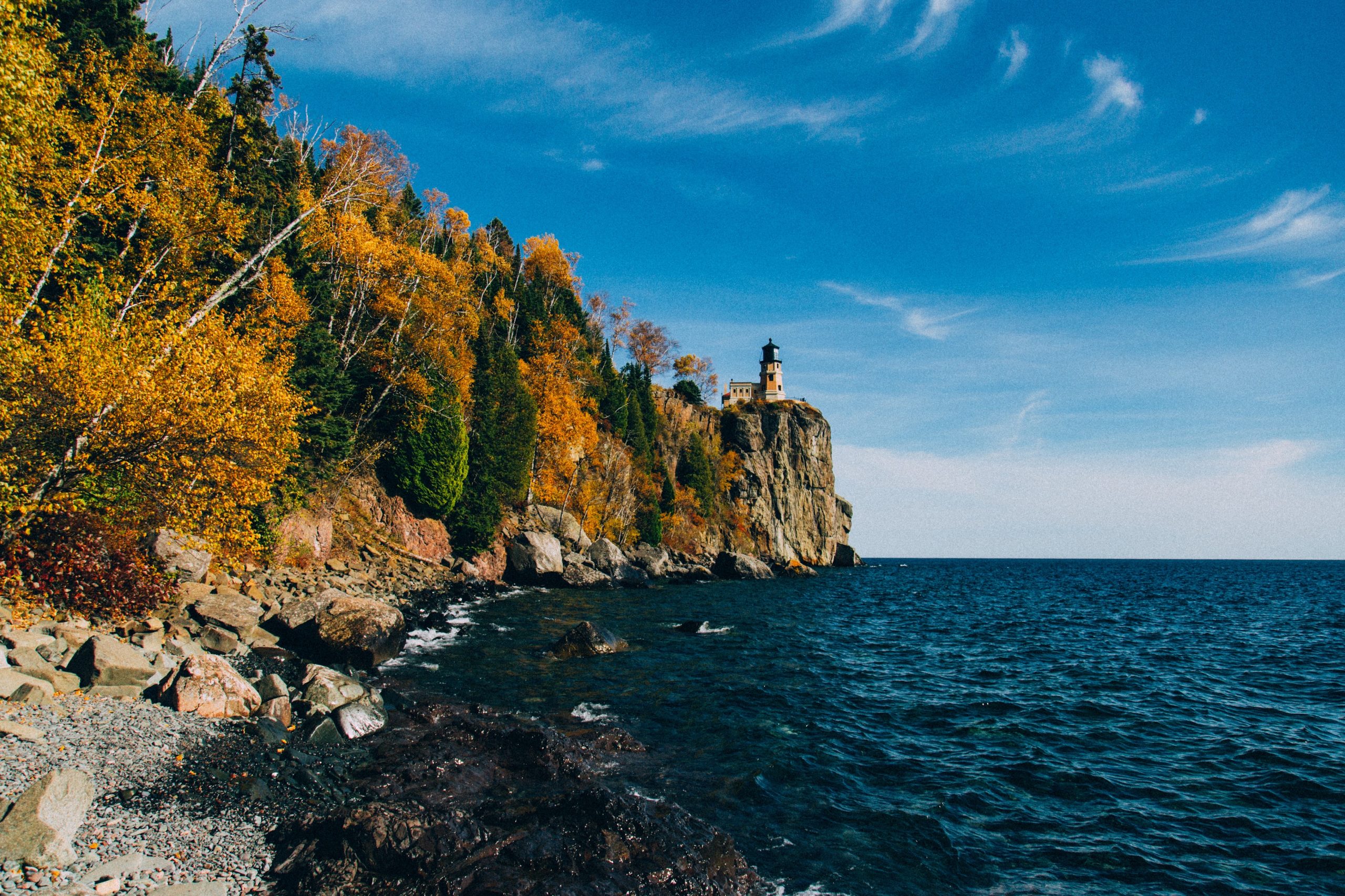
A Natural Wonder Hiding in Plain Sight
Stretching like vast inland seas across the northeastern portion of North America, the Great Lakes are among the most awe-inspiring natural features on the continent. And yet, unless you’ve stood on their shores or learned their story, it’s easy to underestimate just how significant they are.
The Great Lakes — Superior, Michigan, Huron, Erie, and Ontario — are more than just large bodies of water. They are ancient geological wonders, ecological powerhouses, and vital economic lifelines. If you’ve ever looked at a map and thought, “Those are just lakes,” think again. These are freshwater oceans, with stories carved by glaciers, shaped by volcanic rifts, and etched into the cultural and industrial history of the United States and Canada.
This blog explores what makes the Great Lakes truly great — from their geological origins to their impact today — and why they deserve your attention and admiration.
The Scale: Just How Big Are We Talking?
The sheer size of the Great Lakes is the first reason they earn their name.
- Lake Superior is the largest freshwater lake in the world by surface area, spanning over 31,700 square miles — bigger than South Carolina.
- As a system, the Great Lakes hold about 20% of the world’s surface freshwater supply.
- Lake Superior alone could cover all of North and South America in one foot of water.
- Combined, the five lakes span more than 94,000 square miles and have over 11,000 miles of shoreline.
And get this — you can’t see across them. That’s right: unlike most lakes, they’re so vast they stretch beyond the horizon like an ocean. In fact, Lake Michigan and Lake Huron are technically considered one hydrological lake due to their shared elevation and connection at the Straits of Mackinac.
Ancient Origins: Shaped by Fire and Ice
The Great Lakes are products of deep geological processes. Most were formed at the end of the last Ice Age, carved by the movement of massive glaciers that dug deep depressions into the land. When those glaciers melted, they left behind enormous freshwater basins.
But Lake Superior adds a fascinating twist to the story. It lies atop the Midcontinent Rift System, a billion-year-old volcanic rift that nearly split North America in two. Though the rift never fully opened, it left behind deep fractures and unique rock formations that contribute to Superior’s dramatic depth and rugged shoreline.
Another ongoing geological process is isostatic rebound. The land that was once compressed by glaciers is still rising — slowly but surely. This rebound doesn’t mean the lakes are disappearing, but it does mean that their shorelines are gradually shifting over time.
Natural Beauty and Unique Ecosystems
The Great Lakes are home to an astonishing range of ecosystems. From boreal forests and rocky cliffs to marshes, wetlands, and the largest freshwater dunes in the world (along Lake Michigan), each lake has a distinct personality.
The region supports more than 3,500 species of plants and animals, and it’s a key stopover for migratory birds. Unique minerals — like glowing Yooperlites, which fluoresce under UV light — can be found along the shores of Lake Superior, a reminder of the ancient volcanic activity that shaped the area.
And if you love the outdoors, the Great Lakes deliver in every season. From fishing and kayaking to island camping, rock hunting, and even surfing (yes, freshwater surfing is real), there’s no shortage of adventure.
A Shipwrecked History
The Great Lakes are also steeped in maritime history — and tragedy. These waters have claimed more than 6,000 ships, including the legendary Edmund Fitzgerald, which sank in a storm on Lake Superior in 1975. With waves that can reach over 30 feet, the lakes produce what some call “inland hurricanes” — and shipwrecks are a haunting reminder of their power.
But these lakes have also driven economic growth for centuries. Indigenous peoples used them as trade routes long before European colonists arrived. Later, cities like Chicago, Detroit, Cleveland, and Toronto emerged as major industrial hubs thanks to their access to water transportation.
Economic Powerhouses
Today, the Great Lakes are essential to the economy of the U.S. and Canada:
- Provide drinking water for over 40 million people
- Support more than 1.5 million jobs
- Contribute $52 billion annually in tourism
- Move over 200 million tons of cargo each year
- Estimated total economic impact: $6 trillion
They’re not just beautiful — they’re vital.
Restoration, Resilience, and Responsibility
Of course, greatness comes with challenges. Decades of industrial pollution took a toll. Lake Erie, once declared “dead” in the 1960s, became a symbol of environmental crisis. But thanks to restoration efforts, it has made a remarkable comeback.
Still, threats remain:
- Invasive species like zebra mussels and Asian carp
- Agricultural runoff leading to algal blooms
- Climate change, which causes fluctuations in lake levels and more intense storms
Fortunately, organizations and communities are fighting back through restoration, habitat protection, and smarter water policies. And there’s reason to be hopeful — especially if we all play a part.
Why This All Matters Today
The Great Lakes aren’t just a relic of the past or a geographical quirk — they’re deeply intertwined with our present and future.
Whether you live near them or not, they:
- Affect climate patterns
- Support biodiversity
- Represent one of Earth’s most precious freshwater reserves
- Hold lessons in resilience, conservation, and stewardship
These are not just “big lakes.” They’re essential to the natural, cultural, and economic fabric of North America.
Final Thoughts: An Invitation to Wonder
If you’ve never been to the Great Lakes, make it a goal. Visit Lake Superior, where ancient volcanic rock meets icy blue water. Camp on Madeline Island, walk the dunes of Lake Michigan, or stand at the edge of Lake Ontario and imagine how many ships have passed through the St. Lawrence Seaway to the Atlantic.
And if you can’t go? Look them up. Study their history. Explore their significance. Because once you see them for what they really are — freshwater oceans filled with power, beauty, and meaning — you’ll understand why the Great Lakes aren’t just great. They’re extraordinary.