
The Fascinating Differences Between Fall and Spring Bird Migration
Bird migration is one of nature’s most spectacular and mysterious phenomena. Each year, billions of birds take to the skies, moving between breeding grounds and wintering habitats. While many of us admire the vibrant arrival of birds in spring, fewer realize just how different — and equally remarkable — the fall migration truly is. Understanding the differences between spring and fall migration offers insight not only into the behavior of birds but also into the subtle seasonal rhythms that shape our ecosystems.
Spring Migration: Urgency and Reproduction
Spring migration is driven by one primary biological imperative: reproduction. Birds race northward to claim territory, attract mates, and build nests. It’s a time of bold colors, loud calls, and fierce competition. Males don their brightest plumage, filling the air with songs to advertise their presence. The “early bird” isn’t just a metaphor — being early can secure the best nesting sites and access to resources.
This urgency makes spring migration a fast, focused affair. Some species cover hundreds of miles in a single flight leg, moving rapidly to their breeding grounds. Migration routes are usually direct, and birds seldom linger along the way. Time is of the essence, and the pressure to establish territory before rivals arrive is immense.
Fall Migration: A Road Trip for Survival
In contrast, fall migration has a different tone. The breeding season is over, chicks have fledged, and the focus shifts from reproduction to survival. Birds head south to escape the oncoming cold and to find adequate food sources, especially as insects vanish and seeds become scarce.
The pace is slower. Fall migration is more like a scenic road trip than a race. Birds pause frequently, often lingering in places where food is plentiful. Some even delay departure if local conditions remain favorable. The urgency is gone, replaced by a rhythm that feels more adaptive and relaxed.
More Birds, But Quieter Skies
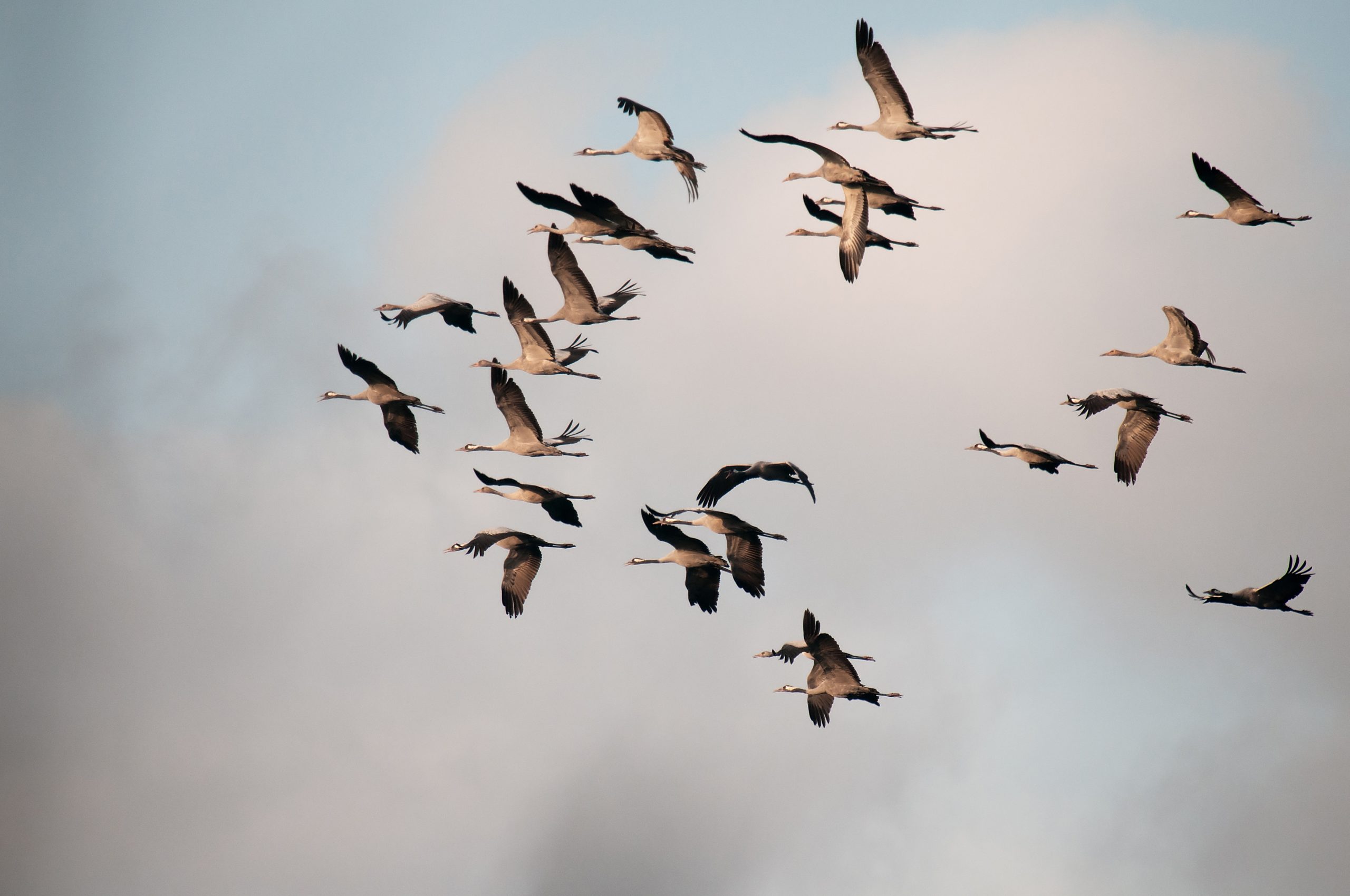
Interestingly, fall migration involves more birds than spring. Adults are joined by their newly hatched young, effectively doubling the number of travelers. This creates huge flocks — from blackbirds to wood ducks — giving the impression of a parade in the skies.
Despite the numbers, fall is quieter. Many birds don’t sing their spring songs. Instead, they communicate with subtler calls, making birdwatching more challenging. Identifying species is harder because the bright breeding plumage is gone, replaced by more muted and camouflaged feathers. This is particularly true with warblers and goldfinches, who look dramatically different from their spring appearance.
Young Birds and First-Time Travelers
Fall migration is a trial by fire for young birds. Many are making the journey south for the first time. Inexperience can lead to mistakes — flying the wrong way, struggling to find food, or falling prey to predators. Watching a baby woodpecker pecking on a metal pole is a charming, if sobering, reminder of how much they must learn on the fly.
These young birds often follow adults in flocks, but their survival depends heavily on the availability of safe stopovers. Wetlands, forests, and open fields must be protected, not only where birds breed and winter, but also along their migration routes.
Hazards of the Season
Spring migration brings dangers like late snowstorms or a sudden drop in temperature that can decimate early arrivals. Fall has its own hazards: inexperienced birds, dwindling food supplies, and new predators. Birds flying over long distances face physical exhaustion and the risk of habitat loss along their way.
Still, some fall migrations are astonishing feats. The Hudsonian Godwit may fly 4,000 miles non-stop, and the tiny blackpoll warbler crosses the Atlantic from New England to South America. Ruby-throated hummingbirds double their body weight before flying across the Gulf of Mexico in a single night.
Loop Migrations and Shifting Routes
Some birds take entirely different routes in fall than in spring, a phenomenon known as loop migration. These patterns may depend on prevailing winds, food availability, or geographic features like coastlines and ridgelines. Raptors especially avoid large bodies of water in fall and tend to follow more circuitous land-based paths.
In places like Duluth, Minnesota, fall is a spectacle. Hawks and falcons funnel along Lake Superior’s shores in what many call a “hawk river in the sky.” These birds are easier to spot than in spring due to the volume and consistency of their movement.
Seasonal Exchanges: Who Arrives When Others Leave
As northern breeders head south, birds from even farther north — such as the Arctic — arrive. Species like juncos, rough-legged hawks, and snow buntings spend their winter months in what to them feels like a relatively warm refuge. So while familiar birds leave, new seasonal residents quietly take their place.
Different Lives in Different Places
What birds do in their winter homes is another fascinating story. While rose-breasted grosbeaks sing boldly in the north, in South America they disappear into tropical forests, eating fruit with toucans and antbirds. Orioles go from sipping nectar in our backyards to foraging in banana plantations. The same bird lives drastically different lives depending on the season and location.
The Bigger Picture: Conservation and Awareness
Migration isn’t just about two destinations. It’s about the entire journey — and the need for protected stopover habitats. Without healthy wetlands, forests, and farmlands along the way, even the strongest flyers may not survive. Supporting bird-friendly spaces, planting native species, and reducing light pollution can all make a difference.
Conclusion: Embrace the Quiet Magic of Fall
Fall migration might lack the fanfare of spring, but it offers something deeper: a sense of rhythm, continuity, and resilience. It’s a quieter beauty, marked by huge flocks, subtle changes, and epic journeys. Take the time to notice which birds are leaving — and which ones arrive. Even as the days shorten, the skies are full of life in motion.