When the last rays of sunlight dip below the treetops and the familiar chirps of songbirds fade into silence, something extraordinary begins. It’s easy to assume that nighttime means the world goes to sleep, but in reality, it signals a dramatic shift. The day shift of sparrows, squirrels, and bees clocks out, and an entirely different crew steps into the moonlight.
This “night shift” isn’t just about spooky creatures or Halloween vibes—it’s about learning to appreciate the diverse and vibrant wildlife right outside our door. From bats in aerial dogfights to stealthy raccoons and silent owls, nighttime transforms our neighborhoods into a buzzing, whispering, and prowling ecosystem.
The Handoff at Twilight
Twilight is a transitional time. It’s not quite day and not yet night, and if you step outside during this moment, you might feel the shift. Birdsong gives way to frogs croaking and crickets pulsing. Diurnal butterflies hand the torch to nocturnal moths. Chipmunks disappear while raccoons begin their nightly exploration. This time of day is full of anticipation—if you pause and listen, nature begins its nighttime symphony.
Nature’s Night Professionals
Nocturnal creatures are not scared of the dark; they thrive in it. Their bodies are engineered for success in low light. Owls, for example, are built for stealth. With feather edges that eliminate sound and radar-dish faces that channel even the faintest noises to asymmetrical ear holes, they are precision hunters. Their silent flight and heightened senses make them ghostly, graceful, and completely mesmerizing.
Bats, too, are nighttime acrobats. Using echolocation—emitting high-frequency sounds that bounce off objects—they paint a sonic picture of the world around them. They swoop through the sky, catching mosquitoes and flies, all without our noticing. While we sleep, they work tirelessly, devouring pests and maintaining the balance of nature.
On the Ground: Raccoons, Possums, and Coyotes
Raccoons are the clever scavengers of the night, using their sensitive paws to “see” their world. They often wash their food, not for cleanliness, but because water helps them sense texture. Possums, on the other hand, are shy and misunderstood. North America’s only marsupial, they eat ticks by the thousands and rarely cause trouble. When threatened, they freeze—literally playing dead—instead of fighting back.
Coyotes bring a wild, eerie soundtrack to the darkness. Their howls are not only haunting but functional—used to communicate with their pack and mark territory. While they were once prairie animals, they’ve adapted to cities and suburbs, hunting rodents and foraging what they can.
Amphibians, Pollinators, and Backyard Drama
Frogs and toads also join the night chorus. Each species has a distinct call and rhythm, adding to the layered orchestra of night. Even more fascinating is the world of nighttime pollination. Flowers like moonflowers and evening primrose bloom after dark, releasing sweet scents to attract moths and beetles. Bats play a role here too, especially in desert areas, helping to pollinate species like the saguaro cactus.
Up in the air, moths are not just fluttering delicacies for bats—they are fighters. Tiger moths, for example, jam bat sonar with their own clicks, creating a literal battle of sound in the night sky.
The Effects of Light Pollution
But all of this magic is under threat. Artificial lights—from porch bulbs to street lamps—disrupt nocturnal rhythms. Migrating birds lose their way, moths become exhausted flying around light fixtures, and fireflies lose their ability to communicate. We’re losing the dark.
However, there are ways to help. Switching to motion-detecting lights, using warm amber bulbs, or pointing lights downward can significantly reduce our impact. Red lights, interestingly, are much less disruptive to wildlife and easier on our own eyes.
Creating a Night-Friendly Backyard
There’s plenty we can do to support our nighttime neighbors. Planting a moon garden with flowers that bloom after dark can attract pollinators. Leaving brush piles or wood stacks creates safe shelters for small critters. Installing bat houses high on poles and avoiding pesticides helps bats thrive.
Even something as simple as leaving a small water dish outside can become a critical watering hole for all sorts of creatures. And for the curious, backyard cameras can reveal a secret world teeming with life.
Living Alongside the Night
While the idea of raccoons rifling through your dishes or possums fainting at Halloween decorations might seem amusing, these stories reflect something deeper: a connection. We share our space with these animals, and when we learn to appreciate their presence, we begin to value our environment more fully.
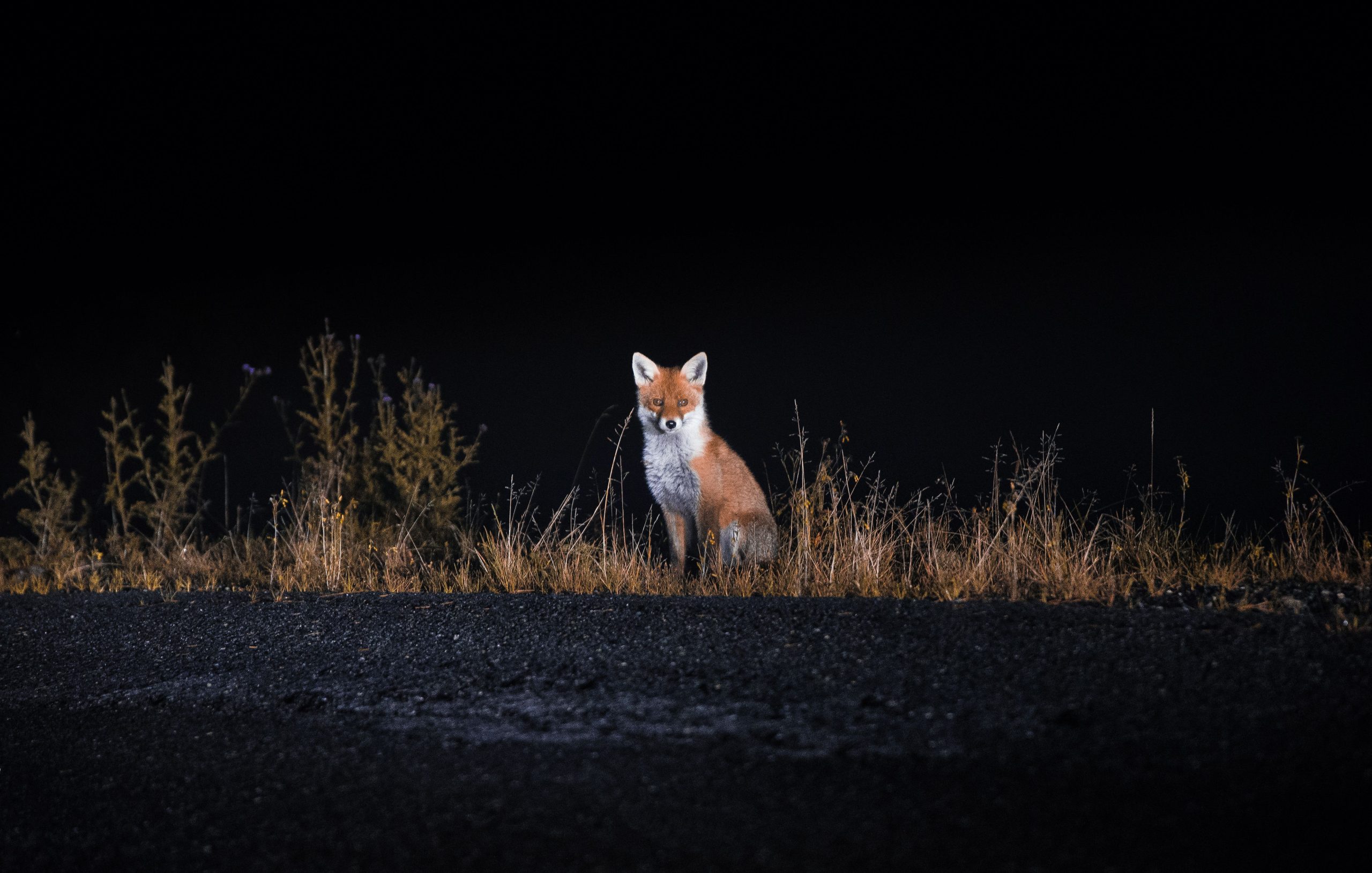
There’s a wild beauty in knowing that even in cities, deer graze at night, foxes dart across lawns, and bats silently patrol the skies. The night isn’t empty. It’s alive. And it belongs to more than just us.
Conclusion: Listening to the Night
The nighttime world is a rich, textured place filled with fascinating creatures that often go unnoticed. By slowing down, turning off some lights, and tuning in to the world outside our doors, we can rediscover the beauty of the dark. Whether it’s the whisper of owl wings or the scurry of a raccoon, these experiences remind us that we are just one part of a much larger, interconnected world