How Plants Travel the World: Nature’s Secret Voyagers
Introduction: Nature’s Unsung Travelers
Every autumn, nature stages a spectacular event right beneath our noses: the migration of seeds. While birds soaring overhead or monarch butterflies fluttering southward grab our attention, there’s a quieter, more intricate process happening at ground level. Seeds — tiny, unassuming capsules of life — are on the move. Carried by wind, water, animals, and even humans, these miniature voyagers are nature’s most determined travelers. Understanding their journey helps us appreciate how resilient and adaptive plant life truly is.
The Science of Seed Travel
Unlike animals, plants don’t have the luxury of movement. Instead, they rely on ingenious methods to spread their offspring far and wide. The primary goal? Survival and growth in new locations. Seed dispersal ensures plants don’t overcrowd their own space and gives them a better shot at accessing resources like sunlight, water, and nutrients.
There are five main methods by which seeds disperse: wind, hitchhiking, water, explosive ejection, and underground runners. Each approach is tailored to a plant’s environment, creating a captivating array of strategies.
Wind: The Skyborne Adventurers
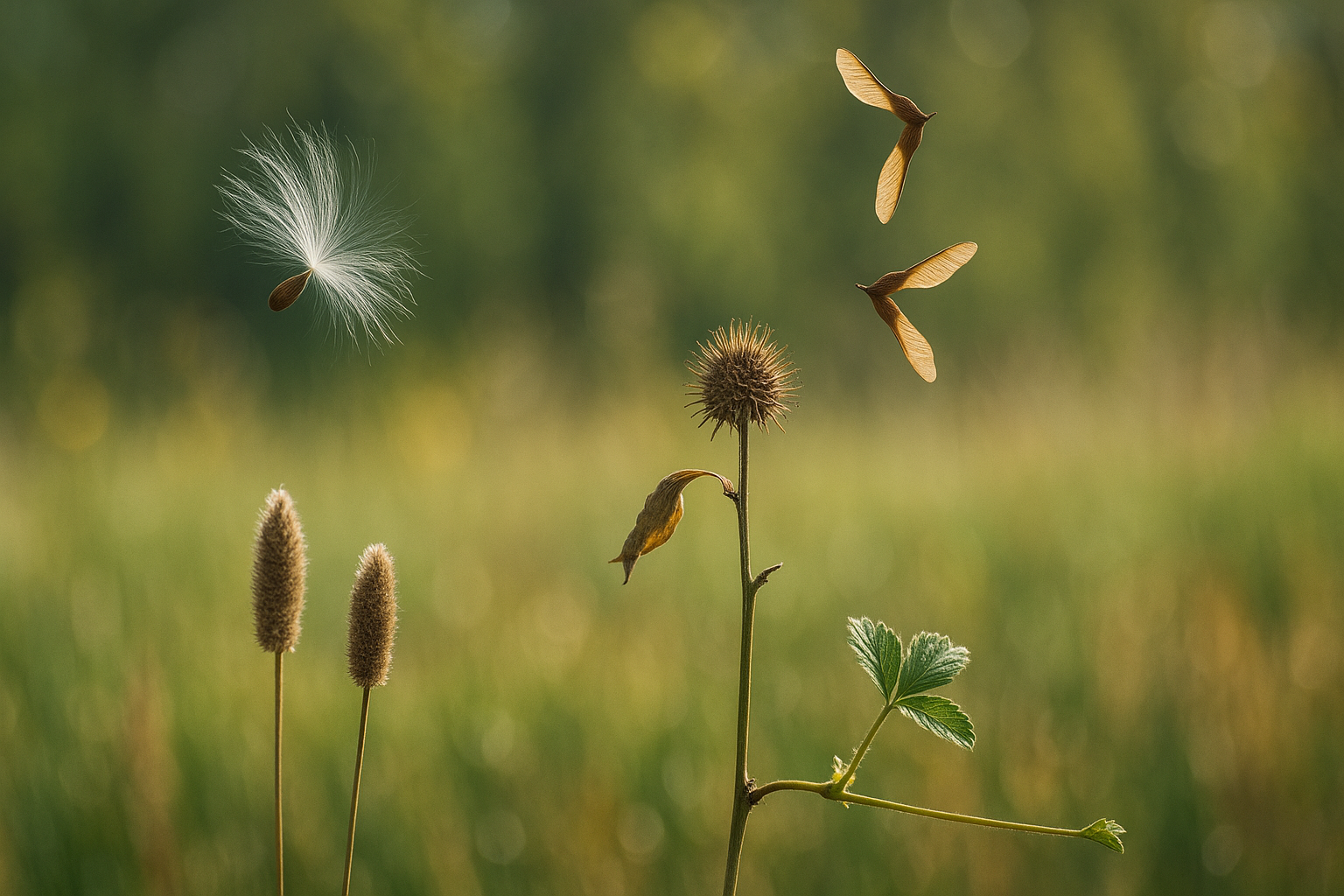
In late summer and early fall, it’s common to see white tufts floating through the air. These aren’t just pretty fluff — they’re airborne seeds from milkweed, thistle, goldenrod, and more. These plants use silky parachutes to catch the wind. Milkweed, for instance, carries nearly 200 seeds per pod, each one equipped with fine hairs that build up static electricity in dry air. This charge prevents clumping and helps the seeds float longer.
Maple trees take flight differently. Their seeds, known as samaras, spin like helicopters. This aerodynamic shape not only captivates children but also inspired drone design. Other trees like ash, elm, and tulip have similar adaptations, using a single-wing structure to catch the breeze. Even cottonwood trees contribute to this floating spectacle, albeit with the added misery of allergy sufferers in their wake.
Hitchhikers: Nature’s Velcro
Some seeds take the “you move, I move” approach. Plants like burdock, beggar’s tick, and thistles produce burrs that latch onto anything that brushes by — people, pets, or wildlife. These seeds are covered in tiny hooks, which inspired the invention of Velcro by a Swiss engineer who returned home covered in burrs and took a closer look under a microscope.
This method is surprisingly effective. Seeds get transported vast distances, especially by pets or people who unknowingly carry them into cars or across state lines. Plants like goosegrass and cocklebur even hitch rides on migratory birds, traveling hundreds of miles before settling down.
Water: The Seed Sailors
Some seeds are designed to float and drift along waterways until they find a suitable spot to grow. Cattails, sedges, arrowheads, and marsh marigolds are examples of plants that ride the current. Their waterproof casings allow them to float through marshes and streams, eventually settling in mud to sprout the following spring.
The lotus plant takes seed survival to the extreme. In China, lotus seeds over a thousand years old have germinated after being buried in peat bogs. This incredible longevity is a testament to the resilience built into these water travelers.
Exploders: Nature’s Confetti Cannons
Not all plants wait for a helping hand. Some take matters into their own pods — literally. Jewelweed, also known as touch-me-not, is famous for its explosive seed dispersal. As the seed pods dry, they build tension. One slight touch, and they uncoil with a pop, flinging seeds up to 20 feet away. Kids often discover this phenomenon and unknowingly help spread these plants even further.
Other explosive plants include violets and witch hazel, which can launch seeds several inches to feet. There’s even a plant in the Mediterranean called “squirrel cucumber” that shoots its seeds like miniature torpedoes through water.
Walkers: The Underground Network
Some plants prefer a slow and steady approach, expanding via underground runners or rhizomes. Strawberries are a common example, sending out stems that root and grow new plants just feet away. Over time, these create sprawling colonies that can take over entire patches of land.
While beautiful, some runner-based plants like gooseneck loosestrife and tiger eye sumac are notoriously hard to control. Even planting them in stone-lined beds doesn’t guarantee containment. These walkers can breach boundaries and take over gardens and lawns.
The Human Connection: Accidental Gardeners
As hikers, gardeners, and pet owners, we’re often accidental participants in this global seed exchange. Seeds cling to boots, clothes, fur, and even cars. That’s why many parks include boot brushes to remove invasive species. Left unchecked, human activity can spread aggressive plants like garlic mustard and Japanese stiltgrass far from their original habitats.
Boats are another culprit, introducing aquatic plants to new waterways. Our mobility connects us globally — and plants have learned to hitch a ride.
Real-World Lessons from the Plants
These seed strategies are more than just fascinating biology. They offer real lessons for us:
- Adaptability: Seeds use the resources around them to move and grow — from static electricity to the wind’s whims. Flexibility ensures survival.
- Persistence: Whether through burrs or parachutes, seeds find a way. Even under tough conditions, they manage to thrive.
- Connection: We’re part of this system — helping seeds travel and shape ecosystems, even unknowingly.
Taking these lessons into our daily lives means looking at resilience differently. Maybe we, too, can find creative ways to grow, adapt, and connect.
Conclusion: Next Time You Step Outside
Seeds may be tiny, but their stories span miles and centuries. Whether you’re walking through a meadow or simply mowing your lawn, you’re likely helping something travel and grow. Observing how seeds spread gives us a window into the quiet persistence of nature — a reminder that even the smallest beings can make a huge impact.
Next time you spot a floating fluff or find a burr stuck to your jeans, take a moment to appreciate the ingenious ways plants ensure their future. Nature is always on the move — and sometimes, it’s hitching a ride with you.