
Why Autumn Captures Our Hearts
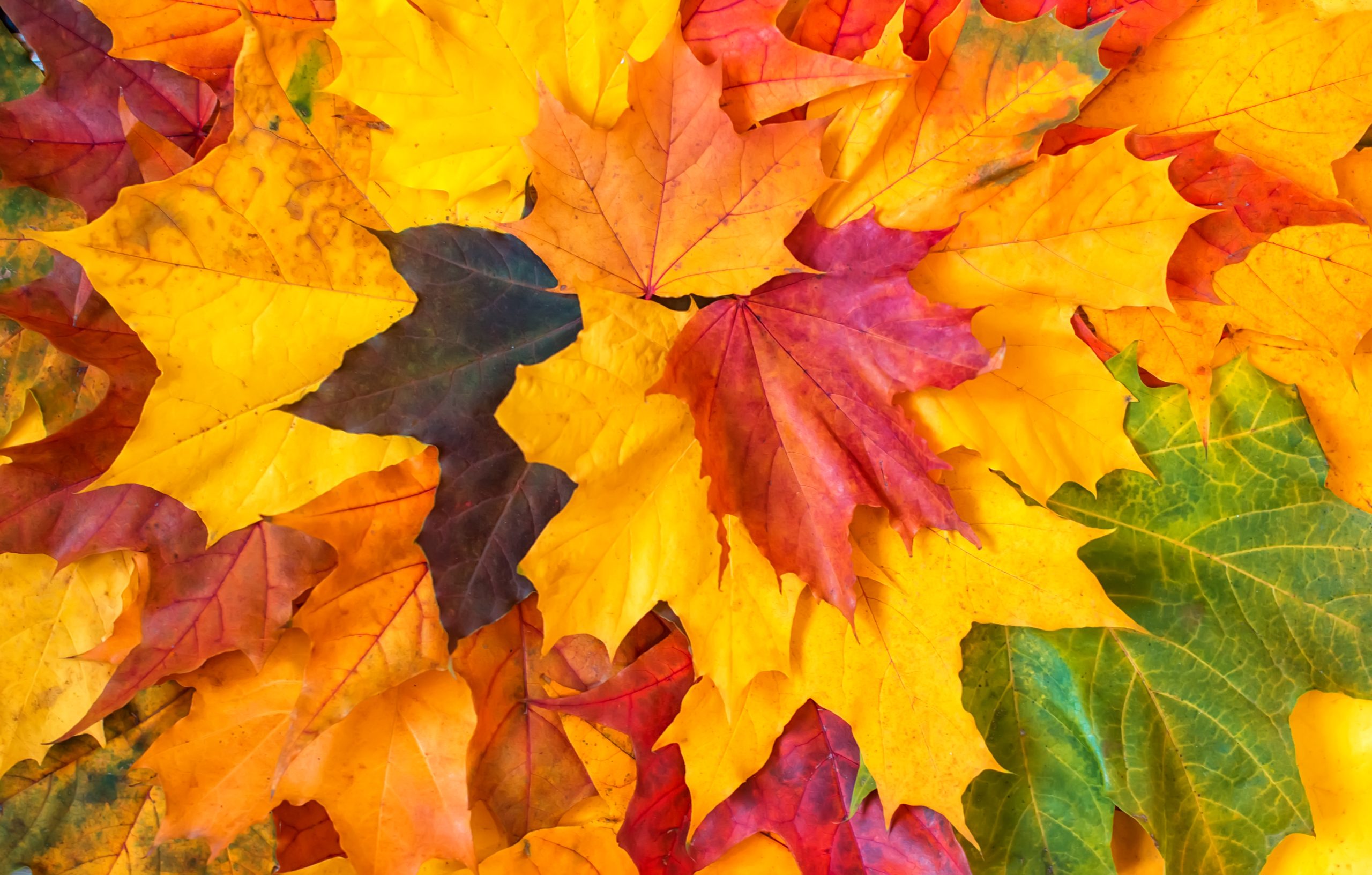
There’s something undeniably enchanting about autumn. The crisp air, the rustle of fallen leaves, and the fiery colors of the trees awaken a kind of nostalgia and wonder in many of us. Albert Camus once said, “Autumn is a second spring when every leaf is a flower,” and that sentiment rings especially true when we look around and witness nature’s quiet, colorful transformation. But beyond the beauty, there’s a fascinating science at play—one that tells the story of survival, adaptation, and nature’s incredible design.
This article explores the biology behind fall foliage and uncovers the deeper meaning behind why autumn touches us so deeply.
The Science Behind the Color Show
As the days grow shorter and the nights cooler, trees begin a graceful shift. The vibrant greens of summer fade, revealing a hidden palette of yellows, oranges, reds, and purples. But contrary to popular belief, leaves don’t “turn” colors—they reveal colors that have been there all along.
At the heart of this process is chlorophyll, the green pigment responsible for photosynthesis. When sunlight becomes scarce in the fall, trees stop producing chlorophyll. As it fades away, other pigments that were masked by green begin to shine through.
The Three Main Pigments in Autumn Leaves
- Chlorophyll: This green pigment is essential during spring and summer. It converts sunlight into energy for the tree, making it vital for growth and survival. But as fall arrives and sunlight wanes, trees break down chlorophyll to conserve energy.
- Carotenoids: These pigments produce yellow and orange hues and are always present in leaves, just hidden behind chlorophyll. Found in carrots and pumpkins, carotenoids help protect chlorophyll from sun damage—much like a natural sunscreen.
- Anthocyanins: Unlike carotenoids, anthocyanins are created in the fall. They produce the brilliant reds and purples we see in maples, dogwoods, and sumacs. These pigments are formed when sugars get trapped in the leaves during sunny days and cool nights. Interestingly, anthocyanins may serve as a deterrent to pests and stress protectors for the tree.
Nature’s Ingenious Design
Every leaf has a built-in fail-safe system. At the base of each leaf is a special layer called the abscission layer. This layer slowly severs the connection between the leaf and the tree, allowing the leaf to fall once it has stopped serving its purpose. It’s not waste—it’s strategy. By letting go of their leaves, trees preserve water and energy to survive winter.
Even evergreens play their part differently. With waxy, needle-like leaves that can withstand freezing temperatures, these trees are designed for endurance rather than show. They quietly photosynthesize all winter long.
Why Do Some Years Have Better Colors Than Others?
Not all autumns are created equal. For the most spectacular color display, trees need:
- A warm, wet spring to foster healthy leaf growth.
- Sunny days and cool (but not freezing) nights in fall to produce anthocyanins.
If frost hits too early or it’s too dry, trees may drop leaves prematurely, skipping the vibrant hues entirely. One strong storm can also strip trees of their leaves overnight, reminding us just how fleeting and fragile the season can be.
Ecological Benefits of Fallen Leaves
Far from being waste, fallen leaves return nutrients to the soil and support local ecosystems. Mulching leaves back into the yard nourishes plants, improves soil health, and reduces the need for synthetic fertilizers. It also provides food and shelter for insects and birds, helping maintain biodiversity in our backyards.
Instead of raking leaves to the curb, spreading and mulching them is a sustainable and easy practice with benefits for both your lawn and the environment.
Finding Joy in the Season
Autumn offers more than beauty and science—it gives us a chance to slow down and appreciate nature’s rhythms. Whether it’s hiking under canopies of color, sipping cider, camping under the stars, or just noticing the subtle smell of damp leaves, fall invites us into reflection and gratitude.
This connection to nature is a powerful reminder of our place in the natural world. We, too, have seasons. Autumn is a quiet invitation to let go, rest, and prepare for what’s next.
Takeaways for Modern Life
- Let go of what no longer serves: Like trees shedding their leaves, fall encourages us to release what’s draining our energy.
- Appreciate fleeting beauty: The brief window of autumn color teaches us to be present and cherish temporary joys.
- Work with the seasons: Nature thrives by adapting to cycles. There’s wisdom in honoring our own need for rest, reflection, and recharge.
- Care for the earth in small ways: Simple actions like mulching leaves can help support a healthy environment right at home.
Conclusion: Autumn’s Gentle Wisdom
Autumn reminds us that beauty often comes from change, and strength comes from letting go. It’s a season rich with meaning, both scientifically and spiritually. By understanding what causes the vibrant colors and appreciating the resilience of trees, we can find inspiration for our own lives. Whether you’re watching leaves flutter to the ground or breathing in that earthy scent of fall, let this season ground and uplift you. There’s a quiet magic in the air—don’t miss it.