Rotting doesn’t usually bring warm, positive feelings to mind. Yet, in nature, decay is a form of renewal—a powerful transformation that breathes life back into the soil. Composting is one of the most accessible and effective ways we can participate in this cycle. Whether you live in a high-rise apartment or on a sprawling plot of land, composting gives us a hands-on role in reducing waste and improving the environment right outside—or inside—our doors.
What Is Composting?
At its core, composting is the process of allowing organic materials to break down into nutrient-rich soil. Common compostables include food scraps, leaves, paper, cardboard, and other biodegradable items. When combined correctly, these elements turn into what gardeners fondly call “black gold”—a dark, crumbly soil that nourishes plants more naturally than chemical fertilizers.
This process isn’t new. Nature does it automatically every fall when leaves pile up, rot under snow and moisture, and vanish by spring. Composting just helps speed up and manage this natural magic.
Why Composting Matters
There are a few key reasons composting is worth your attention:
- Waste Reduction
The EPA estimates composting could eliminate up to 30% of the waste we toss in the garbage. This not only saves space in landfills but also reduces greenhouse gas emissions. - Less Work, More Benefit
If you already rake leaves, imagine skipping the bagging and curbside haul. Instead, mulch them directly back into your yard with a mower. It’s less labor-intensive and more effective. - Healthier Soil Without Chemicals
Compost enriches the soil with nutrients like phosphorus naturally—especially important in areas where artificial fertilizers are restricted due to environmental concerns. - It’s Circular, Not Linear
Composting takes organic waste and returns it to the earth in a usable form. It’s the kind of full-circle process that mirrors how ecosystems are meant to function.
Choosing a Composting Method
You don’t have to live off-grid to compost. In fact, there are several user-friendly ways to get started:
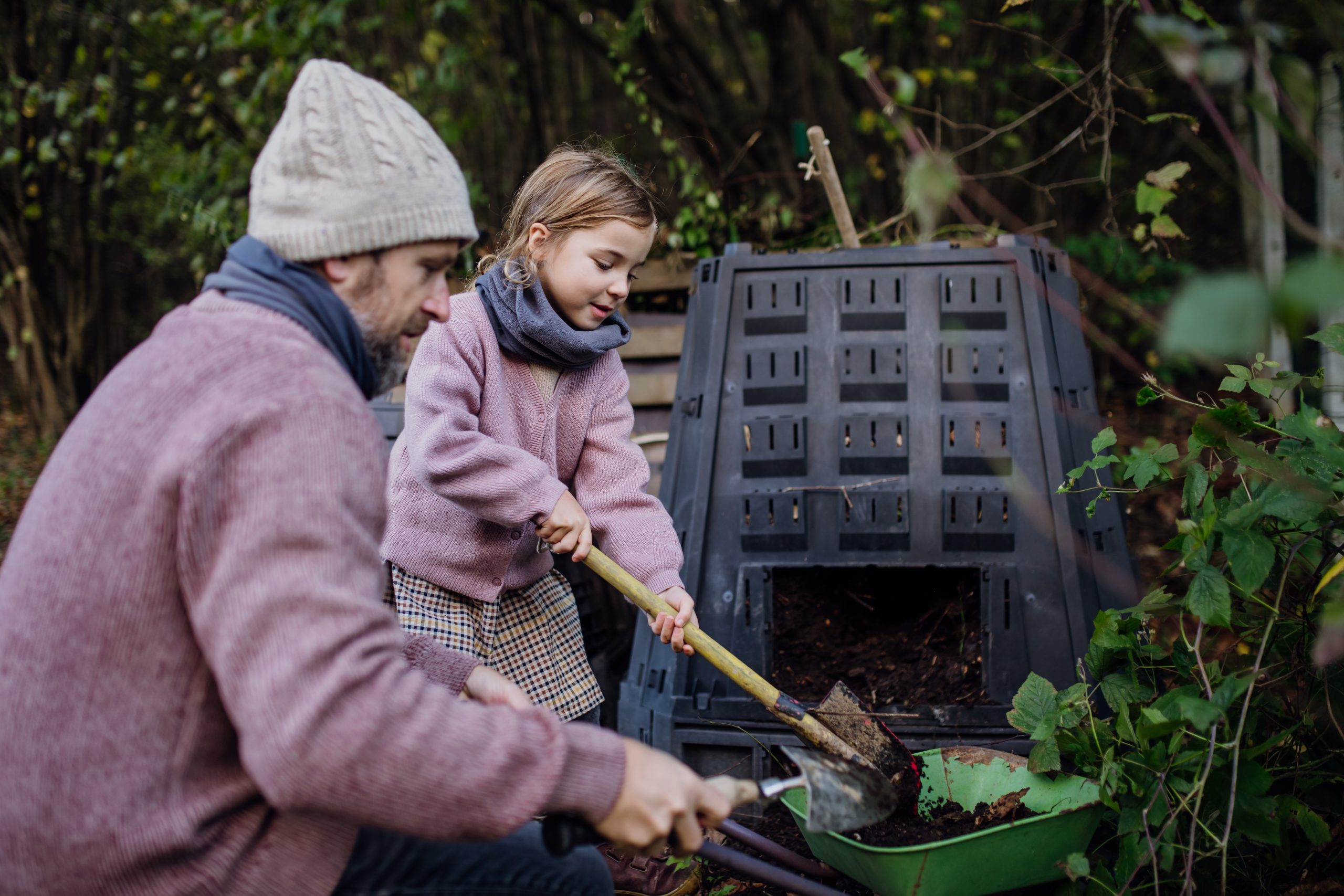
- Backyard Compost Piles or Bins
These can be as simple as a square wooden bin or as advanced as a motorized, rotating composter. - Tumbler Bins
These plastic barrels with rotation mechanisms allow for easy mixing. The inclusion of weekday labels can help you remember when to tumble. - Worm Bins (Vermicomposting)
Great for apartments or limited space, worm bins rely on worms to digest scraps. They’re odor-friendly and efficient. - Electronic Composters
These are countertop or under-sink devices that grind and heat food waste. They’re pricier but extremely convenient.
The Science of Balance: Greens and Browns
A successful compost pile needs a healthy mix of “greens” and “browns.”
- Greens (wet): fruit and veggie scraps, coffee grounds, fresh grass clippings.
- Browns (dry): cardboard, straw, paper towels, dried leaves, ornamental grasses.
The magic ratio? About 2 parts browns to 1 part green. Too much green leads to a smelly mess. Too much brown, and your pile might never break down.
Chopping materials into smaller pieces speeds up decomposition. Think of it as pre-chewing the meal for the microbes doing the hard work.
Managing Your Compost
To avoid common problems:
- Smell: Too much green? Add browns like shredded paper or cardboard.
- Bugs: Good bugs mean it’s working. If flies show up, bury food scraps or use a lidded bin.
- Winter: Freeze scraps until warmer weather. Many cities also offer drop-off composting.
Avoid adding meat, dairy, or seed-filled weeds. These can smell, attract pests, or sprout in your garden later.
Composting as a Philosophy
At its heart, composting is about more than waste management. It’s a statement of participation in a natural process that predates humanity. In forests, decayed leaves nourish the soil. Composting in your home or yard does the same. It connects us to a slower, more thoughtful rhythm of life and reminds us that even decay has value.
Conclusion: Join the Circle of Renewal
Composting isn’t a trend or a chore—it’s a simple, powerful way to give back to the planet. Whether you’re using a tumbler, feeding worms under your sink, or letting a mulching mower do the work, you’re part of something older and wiser than modern systems. You’re not just reducing waste; you’re enriching life.
So next time you peel a carrot or rake some leaves, remember—there’s purpose in decay. It’s the start of something new.