
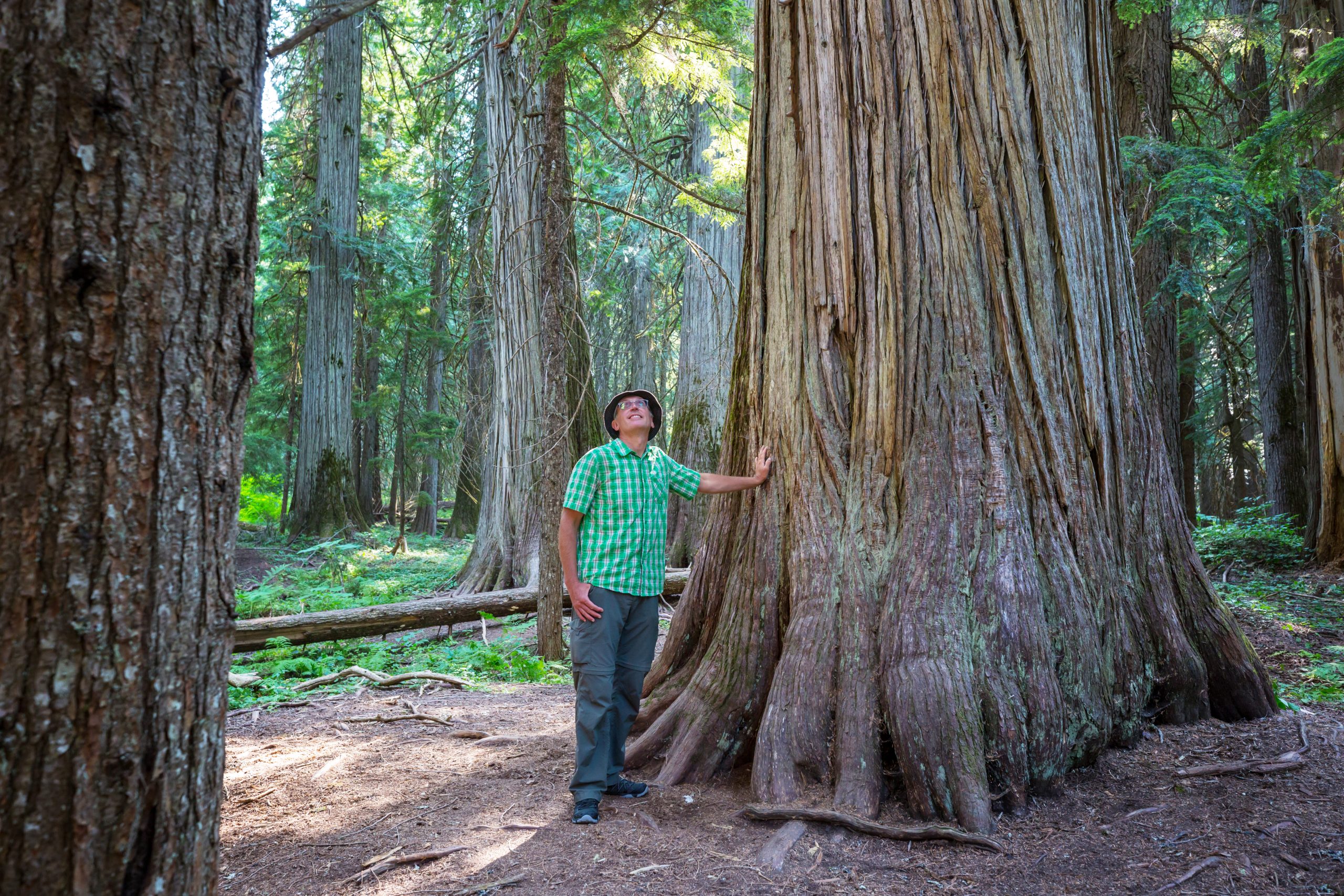
There’s something humbling about standing at the base of a towering tree. It’s more than just their size—it’s their age, resilience, and the history they’ve silently witnessed. From the coastal redwoods of California to the sprawling aspen groves of Utah, these giants remind us of nature’s extraordinary capacity for growth and endurance. Seeing them in person can be life-changing, but even learning about them can spark awe.
The Coastal Redwoods: Earth’s Tallest Trees
Among the most iconic giants are the coastal redwoods, found along the misty coasts of Northern California. These trees can reach staggering heights, with the tallest known specimen—Hyperion—soaring to nearly 380 feet, about the height of a 35-story building. Their thick, fire-resistant bark and shallow but interconnected root systems make them surprisingly resilient. The redwoods thrive in the cool, foggy climate, absorbing moisture through their leaves to survive dry summers.
Beyond their size, redwoods hold ecological treasures. Each layer of their towering canopy creates a unique habitat for birds, insects, and small mammals, forming a vertical world teeming with life. Visiting a redwood forest is an immersive experience, from the earthy scent that greets you to the dizzying sight of sunlight filtering down through the dense canopy.
Giant Sequoias: The Titans of Volume
If redwoods are the tallest, giant sequoias hold the record for sheer mass. These colossal trees, found in places like Yosemite National Park, can reach over 300 feet tall and up to 30 feet in diameter. General Sherman, the largest known living single-stem tree on Earth, stands 275 feet tall and contains more than 52,000 cubic feet of wood—enough for 50 average houses.
Many sequoias are more than 2,000 years old, making them living witnesses to centuries of human history. Interestingly, they rely on fire for reproduction; the heat opens their cones, releasing seeds into newly cleared, nutrient-rich soil.
Douglas Firs and Sitka Spruces: Majestic Neighbors
The Pacific Northwest is home to other towering species like Douglas firs and Sitka spruces. Douglas firs can exceed 300 feet in height and have played a vital role in the timber industry. Sitka spruces, known for their lightweight yet strong wood, were historically used in airplane frames and musical instruments. Both species thrive in the region’s temperate rainforests, creating some of the most lush, awe-inspiring landscapes in North America.
Pando: The Tree That’s an Entire Forest
Not all big trees are defined by height or trunk size. The Pando aspen grove in Utah’s Fishlake National Forest is considered the largest living organism on Earth by mass. This massive clonal colony consists of approximately 47,000 genetically identical stems connected by a single underground root system. Pando covers over 100 acres and weighs an estimated 13 million pounds. While each stem may live only 130 years, the root system is thought to be thousands of years old, possibly as ancient as 8,000 years.
What Big Trees Teach Us About Life
Big trees are more than natural wonders—they are living lessons in patience, resilience, and interconnectedness.
- Patience: Many of these giants took centuries to reach their full size, reminding us that growth is often slow but steady.
- Resilience: Their adaptations—like fire-resistant bark or fog-absorbing leaves—show how survival depends on flexibility and resourcefulness.
- Interconnection: Whether through shared root systems or ecological relationships, these trees thrive in community.
Applying the Lessons of Big Trees to Modern Life
In a fast-paced world, big trees encourage us to slow down. Just as they withstand centuries of storms and change, we can endure challenges with patience and adaptability. Their interconnected root systems inspire us to invest in our communities and relationships, knowing that strength often comes from unity.
Whether you stand before a redwood, sequoia, or a vast aspen grove, the message is clear: greatness is built over time, and the connections we foster can sustain us for generations.
Conclusion: Go See a Giant Tree
Photographs and descriptions can’t truly capture the majesty of these natural wonders. If you ever have the chance, visit a big tree in person. Walk among them, breathe in their scent, and let their towering presence remind you of the power and beauty of nature. Big trees don’t just stand tall—they stand for something timeless.