
How Local Nature, Cities, and Even Corn Shape the Weather
Introduction: It’s Not Just the Forecast
When people think about the weather, they often imagine high-pressure systems, jet streams, or warnings issued by meteorologists. But there’s a more intimate side to weather—one that depends not on satellite imagery but on what’s happening right outside your front door. Lakes, hills, cities, farmland, and even beavers contribute in quiet, sometimes surprising ways to the conditions we experience. While major weather systems dominate national forecasts, these small-scale, local influencers have a powerful say in how warm, wet, or wild your day turns out to be.
Lakes That Calm Storms and Create Snow
Lakes are more than scenic destinations—they’re climate moderators. In regions with multiple lakes, people often notice that storms weaken or veer off course before arriving. It may sound like folklore, but the science offers some support. Water heats and cools more slowly than land. During the day, surrounding land heats up faster, while the lake remains relatively cool. When a storm system reaches this cooler air mass above the lake, its energy can dissipate or shift direction.
A dramatic version of this is lake-effect snow. As cold air passes over warm lake water, it picks up moisture and dumps it on the far side of the lake, blanketing towns in heavy snowfall. Even small lakes can influence localized weather similarly, though on a smaller scale.
Hills, Valleys, and Temperature Drama
In hilly or mountainous regions, terrain significantly influences temperature and storm behavior. Areas like the Driftless Region—untouched by glacial flattening—have steep bluffs and rolling hills that cause temperature variations. Valleys remain cooler, while ridgelines heat up under direct sunlight. This temperature gradient becomes the battleground for storms to develop or intensify.
Interestingly, there’s a long-standing belief in some areas that bluffs and hills can prevent tornadoes. But storms don’t always follow the rules. Tornadoes have climbed bluffs and descended into valleys, busting the myth that elevation alone can shield a place from extreme weather.
Cities and the Urban Heat Island
Urban areas contribute to something called the “urban heat island” effect. Asphalt, concrete, rooftops, and infrastructure all absorb and retain heat, making cities several degrees warmer than the surrounding countryside. This heat not only makes cities more uncomfortable but also intensifies storms by adding extra energy into the atmosphere.
Some cities are taking action. Rooftop gardens and green spaces are being proposed and implemented to help reduce heat absorption. However, this isn’t just about comfort—it’s about accuracy too. Many weather sensors originally placed in rural zones have now been swallowed by urban sprawl. A sensor once on farmland is now surrounded by concrete, leading to higher recorded temperatures that don’t reflect broader regional conditions.
Corn Sweat: An Agricultural Oddity with Impact
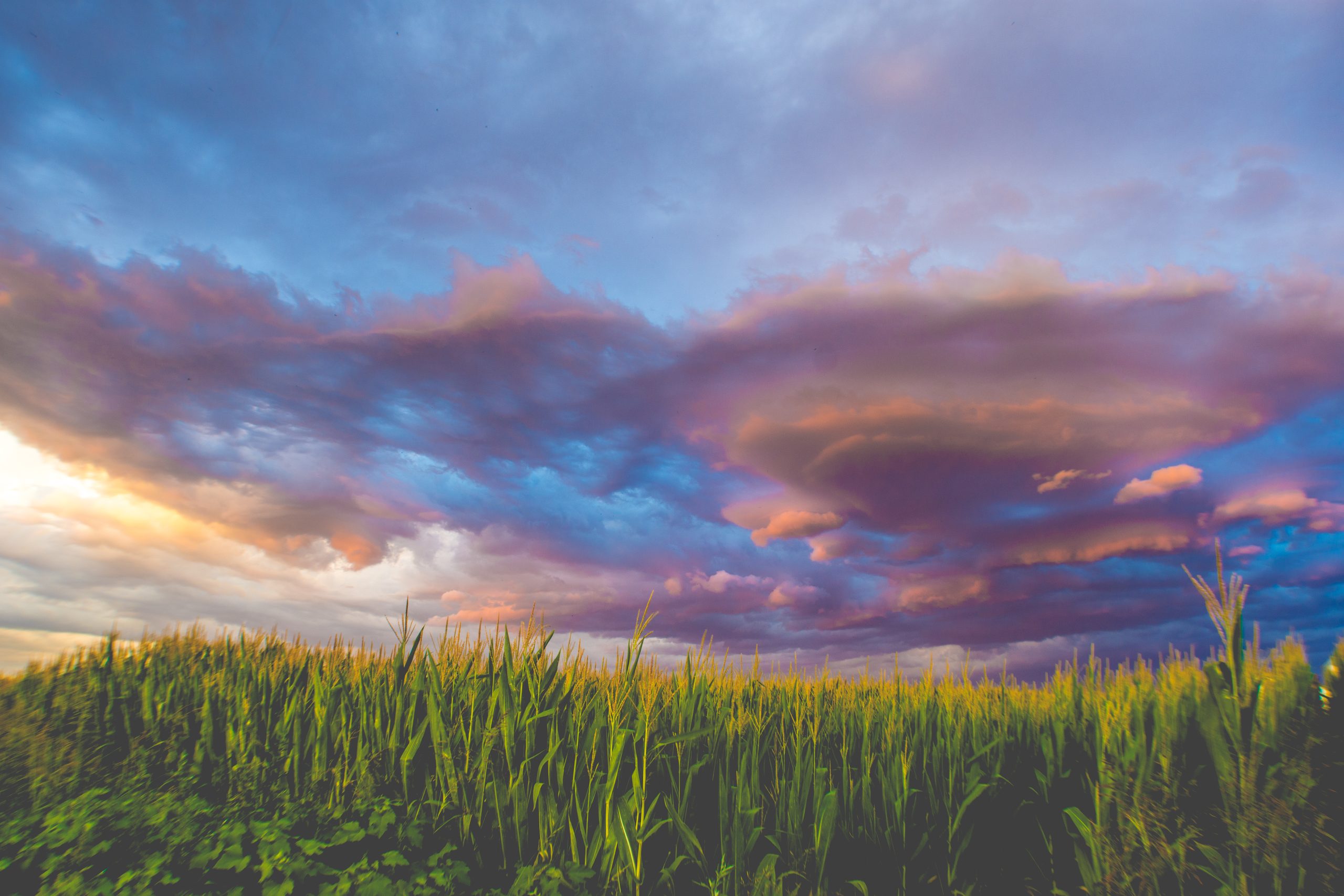
Few people think of corn as a weather-maker, but the term “corn sweat” has gained traction for a reason. Corn, like other plants, releases moisture through a process called transpiration. During peak summer months, acres of cornfields collectively release massive amounts of water vapor into the air.
This surge in local humidity can tip the balance, especially when conditions are right for storm development. With enough “corn sweat,” otherwise mild days can suddenly spawn isolated thunderstorms, affectionately nicknamed “popcorn storms.” It’s a reminder that agriculture doesn’t just feed us—it changes the atmosphere around us.
Farms, Animals, and Irrigation: The Hidden Humidifiers
It’s not just plants that affect local weather. Livestock, irrigation, and other agricultural practices play a part too. Large herds of animals generate body heat and moisture, enough to create microclimates under the right conditions. While research is still developing in this area, early findings suggest these animal-generated heat zones can slightly alter local temperature and humidity.
Irrigation adds another layer. Water sprayed on fields evaporates, cooling the air and raising humidity—just like human sweat. In some cases, irrigated areas remain cooler than surrounding dry lands, creating noticeable differences across short distances.
Forests: Nature’s Air Conditioners
Forests contribute to local cooling in several ways. Dense tree canopies block sunlight, keeping the forest floor cooler than nearby open land. At the same time, trees release moisture through transpiration, similar to cornfields but with broader ecosystem impacts. This dual function—shading and humidifying—can lower temperatures and even help seed local rain showers.
This self-sustaining cycle is one reason why deforestation disrupts regional climates. In places like the Amazon, tree loss doesn’t just mean environmental degradation; it changes rainfall patterns, too.
Beavers: Nature’s Engineers of Weather Moderation
Beavers play a surprisingly significant role in maintaining local moisture levels. By building dams, they convert fast-moving streams into ponds and wetlands. These new water bodies evaporate more slowly, keeping the surrounding environment humid and supporting plant life longer into dry seasons.
Areas with beaver dams tend to resist drought more effectively. They also provide cooler microclimates for nearby wildlife and vegetation. This makes beavers one of the few animals whose behavior positively contributes to long-term weather stability on a local scale.
Planes, Contrails, and Wind Turbines
Human technology leaves a mark high in the sky, too. Jet contrails—those long white lines left behind by airplanes—can reflect sunlight like thin cloud cover. This slightly lowers the amount of solar radiation hitting the ground, especially in areas with frequent air traffic.
On the ground, wind turbines also impact local weather. During nighttime, temperatures usually stratify: cooler near the surface, warmer higher up. Wind turbines mix these layers, bringing warmer air down and slightly increasing ground-level temperatures at night.
Dust, Smoke, and Volcanic Fallout
Weather can also be altered by distant natural events. Volcanic eruptions send particulates into the atmosphere that reflect sunlight, leading to global cooling. One such eruption in Iceland around 1000 AD was so severe it led to famine across Europe by disrupting agriculture.
Dust from the Sahara Desert sometimes drifts across the Atlantic, affecting hurricane development by drying the air and disrupting storm formation. Similarly, recent Canadian wildfires blanketed large parts of North America in smoke, reducing sunlight and keeping temperatures lower than expected.
Conclusion: Small Things, Big Impact
Weather isn’t shaped only by massive fronts or distant climate systems. The lakes near your home, the crops in the field, or the forest down the road—all of them can make your day a little warmer, wetter, or stormier. Understanding these local influencers doesn’t just make you a more informed observer—it connects you to the land in a tangible way.
Whether it’s corn sweating under a July sun or beavers building ponds that resist drought, the small players matter. Weather is personal. And it turns out, the things we see every day are part of the story too.