When most people think of beautiful, essential pollinators, butterflies instantly come to mind. With their colorful wings and graceful flight, they’ve earned the spotlight in nature documentaries and garden magazines alike. But there’s another group of winged wonders that often flutter unnoticed under porch lights and beside late-summer blooms: moths.
Despite their low-key reputation, moths are marvels of evolution, ecology, and survival. From their silent migration patterns to their role in nighttime pollination, moths deserve a second glance. Understanding their hidden world gives us deeper insight into the biodiversity thriving just outside our front doors.
Moths vs. Butterflies: What Really Sets Them Apart?
Most people distinguish moths from butterflies with a few quick assumptions: butterflies are colorful and active by day, while moths are dull and fly at night. But the truth is far more nuanced.
- Antennae: Butterflies have thin antennae with small knobs at the end, while moths often sport feathery or thread-like antennae, which can be quite elaborate.
- Body Shape: Moths tend to have stockier, often fur-covered bodies to help them stay warm on cool nights. Butterflies are more slender and streamlined.
- Wing Position at Rest: Butterflies rest with wings closed upright; moths usually rest with wings spread flat or tented over their bodies.
- Pupal Stage: Moths spin silk cocoons, while butterflies develop in a hard chrysalis.
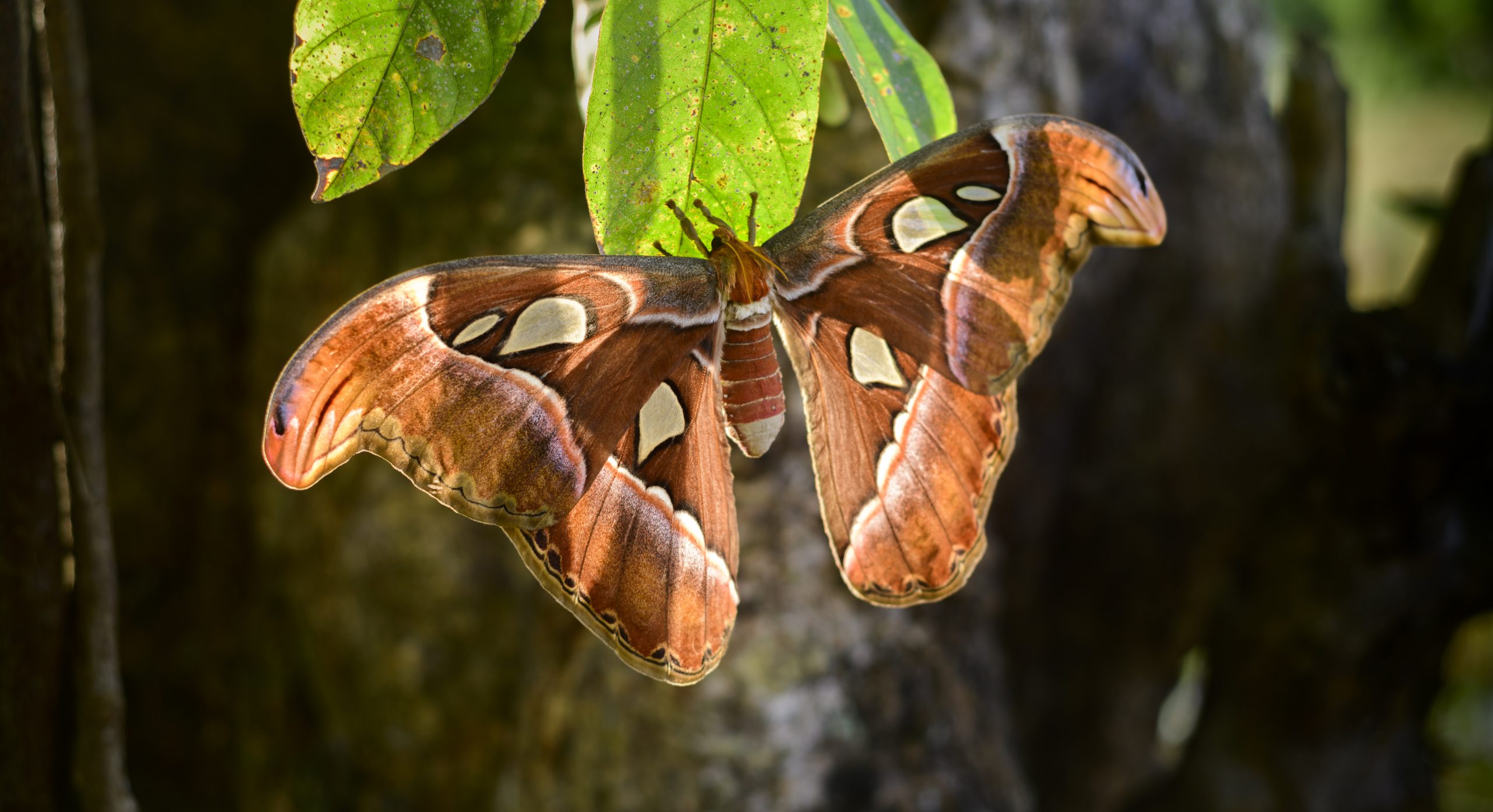
And not all moths are drab. The luna moth shines in pale green elegance. The Cecropia moth dazzles with rusty reds and creams. Even tiny moths shimmer with metallic silver and gold. Butterflies may have won the beauty contest, but moths have diversity on their side: while there are about 750 species of butterflies in the U.S., there are more than 11,000 species of moths.
Autumn Strategies: How Moths Brave the Cold
Unlike monarch butterflies that embark on epic migrations to warmer climates, moths typically stick close to home. But that doesn’t mean they’re inactive — their survival tactics in fall are ingenious.
- Egg Laying: Some moths lay eggs in autumn that survive the winter and hatch in spring. One surprising example? Eggs laid right on screen doors.
- Freezing as Caterpillars: The woolly bear caterpillar, known for its fuzzy black and brown bands, freezes solid and thaws in spring thanks to natural antifreeze in its tissues.
- Cocooning: Many moths pupate in silk cocoons, tucked under leaves or branches, where they spend the winter waiting for warmer weather.
- Adult Hibernation: A few moth species overwinter as adults, hiding under bark or in sheds to emerge with the spring thaw.
Some moths do migrate — like armyworm and cutworm moths — but typically only a few hundred miles, not thousands. Others, like the hummingbird hawk moth, hover at flowers and cover impressive distances, tracking bloom cycles and warm air currents. Still, most moths adapt to their specific environment, guided more by instinct than by seasonal schedules.
Why Moths Deserve Our Attention
Nighttime Pollinators
While bees and butterflies get most of the credit for pollination, moths quietly do the night shift. They’re especially important for plants that bloom after dark, such as moonflowers and certain desert orchids. Without moths, these flowers would struggle to reproduce.
Food Chain Foundations
Moth caterpillars are a critical food source for birds like warblers and chickadees. Trees like oaks support abundant caterpillar life, which in turn feeds entire bird populations. Moths themselves are also prey for bats, spiders, and other nocturnal hunters, making them a key link in the ecological food chain.
Natural Camouflage and Adaptation
Moths are masters of disguise. Some species mimic dead leaves, tree bark, or even bird droppings to avoid predators. Their “wing dust” — tiny scales that easily shed — helps them escape spider webs. This remarkable defense mechanism may be why so few moths end up in spider traps.
Lessons from the Moth: Adaptability and Quiet Impact
In a world that often celebrates the loudest, brightest, and most visible, moths teach a different kind of lesson. They embody the power of persistence, subtlety, and adaptation.
Their strategies remind us that survival isn’t always about spectacle. Sometimes, it’s about knowing when to hunker down, how to adapt, and where to find opportunity in overlooked spaces — whether that’s a forgotten corner of the porch or a garden blooming under moonlight.
Conclusion: Finding Wonder in the Ordinary
The next time you notice a flicker near your porch light or a fuzzy caterpillar crossing the path, pause for a moment. That small creature might be playing an enormous role in the health of your local ecosystem. Moths, in all their understated beauty, are nature’s quiet survivors — pollinators, prey, navigators, and transformers.
By planting flowers like verbena and reducing unnecessary outdoor lighting, we can welcome these nighttime wonders into our lives and help support a more balanced, biodiverse world. So this fall, take a step outside at dusk. Look closely. The magic of moths is all around you.