As the crisp air of October settles in and pumpkins line porches, another seasonal phenomenon takes center stage—spiders. Creepy to some and fascinating to others, these eight-legged creatures become more noticeable during the fall months, often right outside our doors and windows. But why do spiders seem to appear out of nowhere this time of year? The answer offers not only a glimpse into nature’s fascinating design but a lesson in growth, survival, and coexistence.
The Seasonal Rise of Spiders
Come spring, spiders hatch from tiny eggs as minuscule spiderlings, barely noticeable as they scatter into the wild. During summer, they remain relatively hidden—small and easily missed. But by fall, particularly in October, these once-tiny arachnids have reached their full adult size. Suddenly, they’re visible—big, bold, and seemingly everywhere.
This seasonal visibility isn’t random. October is peak time for spider activity. Females are laying egg sacs in tucked-away corners like eaves, door frames, and garden foliage. Males, on the other hand, are often found wandering in search of mates. This increase in movement, combined with their size, is what makes spiders so much more visible right now.
Orb Weavers: The Artists of the Arachnid World
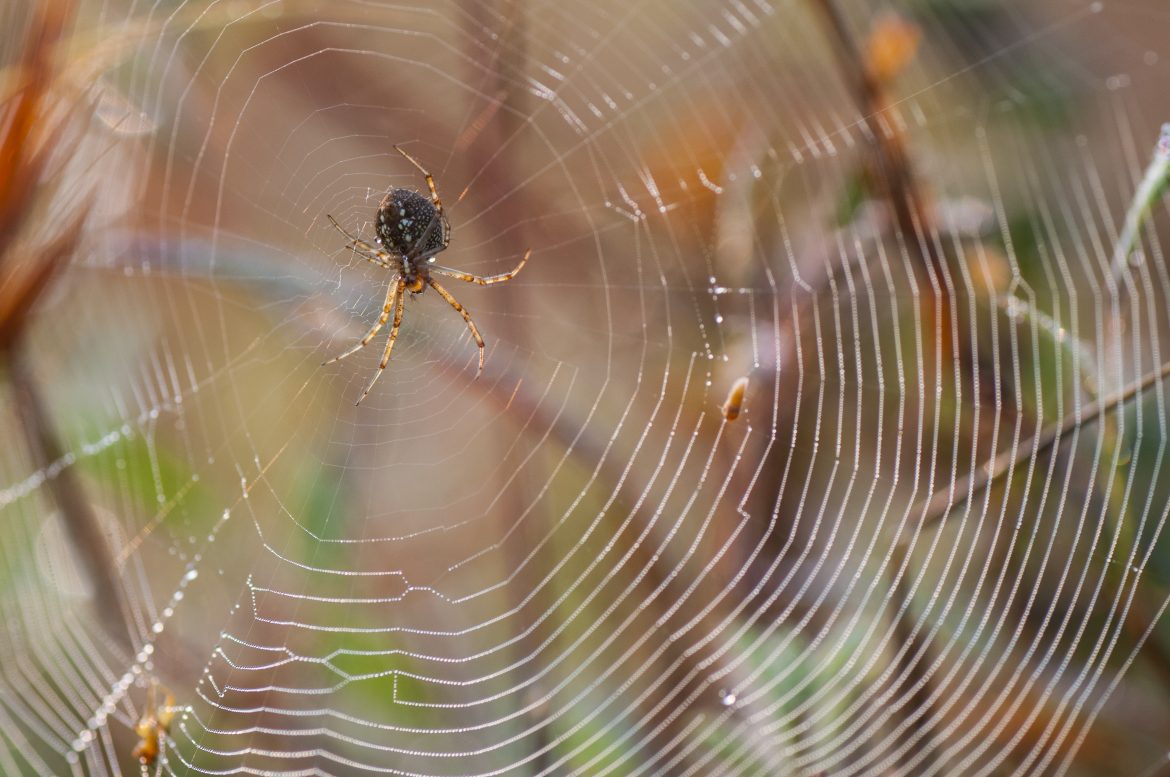
One standout spider of the season is the orb weaver. Known for their intricate wheel-shaped webs, these spiders are both harmless and helpful. The cross orb weaver, in particular, sports a beautiful cross-shaped pattern on its back and can often be found spinning webs across porches and decks.
What’s truly impressive is their nightly routine. Orb weavers deconstruct and rebuild their webs from scratch every evening, recycling silk by consuming the old structure. By morning, dew highlights these new webs, turning once-invisible threads into shimmering works of art.
Their motivation? Porch lights that attract gnats and moths—perfect spider bait. These strategic hunters capitalize on the light to host their nightly buffet.
Nature’s Pest Control
Spiders may appear ominous, but they are natural pest managers. Their diets consist of mosquitoes, flies, moths, and other insects that can be much more intrusive. Their presence reduces the need for chemical pest control and supports an ecological balance.
Additionally, spiders themselves play a key role in the food web. Birds and wasps rely on them as a protein-rich food source, creating a cascading effect in the local ecosystem.
Diversity of Spiders Around the Home
Not all spiders are orb weavers. Several types become more noticeable in autumn:
- Garden Spiders: Often yellow and black with a striking appearance, they are also known as writing spiders due to zigzag patterns in their webs.
- Barn Spiders: Brown orb weavers often found in sheds and garages. Fans of “Charlotte’s Web” will recognize this type as the inspiration for Charlotte.
- Funnel Weaver Spiders: Also known as grass spiders, they construct horizontal sheet webs across lawns and pounce from their funnel-shaped retreats when prey wanders close.
- Wolf Spiders: Active hunters that don’t spin webs. Known for their green-glowing eyes in flashlight beams and mothers who carry their babies on their backs.
- Jumping Spiders: Tiny and curious, they bounce around like kittens and often appear in social media videos thanks to their large, expressive eyes.
- Fishing Spiders: Occasionally found near water or in unexpected places like bathrooms, standing on back legs with outstretched front limbs ready to snatch prey.
Why They’re In Your Home (and Why That’s Okay)
As the temperatures drop, not only insects but spiders, too, seek warmth. This often leads them into homes, garages, and basements. Ring doorbells may suddenly start pinging with “movement detected”—only to reveal a spider scuttling by.
While some may recoil at the idea, these spiders aren’t there to bother you. They are not invasive, just opportunistic. If left undisturbed, they go about their short seasonal mission: to mate, lay eggs, and quietly pass with the first frost.
Spiders and the Cycle of Life
Perhaps what’s most poetic about this time of year is how spiders illustrate the natural cycles of life. Their brief, visible moment in fall serves as a reminder of nature’s patterns—birth in spring, growth through summer, maturity in fall, and then a quiet end as winter sets in.
Those egg sacs left behind will overwinter and hatch come spring, beginning the cycle anew. It’s both creepy and beautiful, perfectly timed for the introspective spirit of autumn and the eerie aura of Halloween.
A Shift in Perspective
Many people fear spiders, but a closer look reveals creatures that are not only harmless but essential. Once we understand their behavior, purpose, and patterns, it becomes easier to appreciate their role in our environment.
So this October, take a moment to notice the webs in your yard, the spiders on your deck, and the quiet drama of survival and artistry playing out just outside your door. You might just see them in a whole new light.
Conclusion: Celebrating the Unseen Heroes
Spiders may spook us, but they’re vital participants in the natural world. Their presence in October isn’t a frightful accident—it’s a grand finale, a final burst of life before the quiet of winter. The next time you spot a web glowing in the morning dew, take a moment to marvel at the architect behind it.
By recognizing their value, understanding their patterns, and allowing a little space, we can learn to coexist—and maybe even appreciate—the spiders of October.